Explore AI ethics and legal regulations
179
Sub Topics
447
MCQs
254
MCOs
363
True/False
201
Fill Blanks
76
Rearrange
195
Matching
128
Comprehensions
204
Flashcard Decks
Curriculum
What You'll Learn
01 Introduction to AI and the Law 3 topics
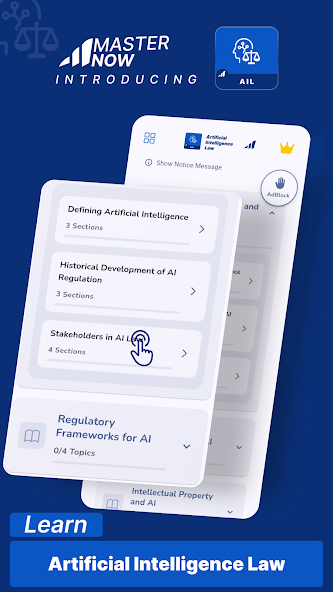
1 Defining Artificial Intelligence
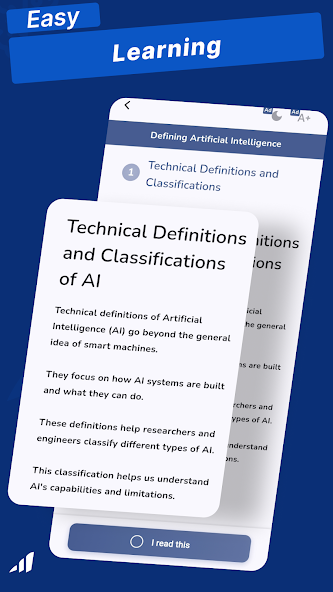
- Technical Definitions and Classifications
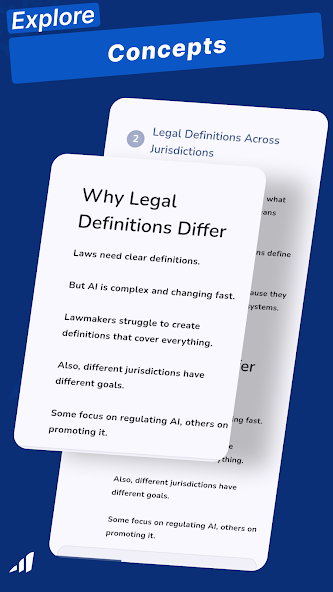
- Legal Definitions Across Jurisdictions
- Distinguishing AI from Traditional Software
2 Historical Development of AI Regulation
- Early Approaches to Technology Regulation
- Evolution of AI-Specific Legal Frameworks
- Key Milestones in AI Law Development
3 Stakeholders in AI Law
- Government and Regulatory Bodies
- Industry and Developers
- Civil Society and Users
- Academic and Research Communities
02 Regulatory Frameworks for AI 4 topics
1 International Approaches to AI Regulation
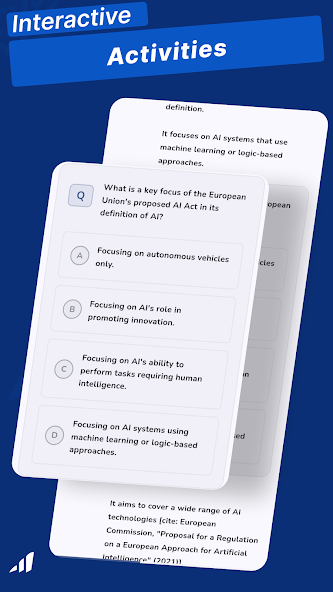
- EU AI Act and European Framework
- North American Approaches (US and Canada)
- Asian Regulatory Models (China, Japan, South Korea)
- Approaches in Global South Nations
2 Risk-Based Regulatory Approaches
- High-Risk AI Systems Classification
- Sector-Specific Regulation
- Proportional Regulation Models
3 Self-Regulation and Industry Standards
- Technical Standards Organizations
- Industry Codes of Conduct
- Certification Systems
4 Global Harmonization Efforts
- International Organizations' Role
- Cross-Border Regulatory Coordination
- Trade Agreements and AI Provisions
03 Intellectual Property and AI 4 topics
1 AI-Generated Content and Copyright
- Authorship and Ownership Issues
- Copyright Protection for AI Outputs
- Fair Use and AI Training
2 Patent Protection for AI Systems
- Patentability of AI Algorithms
- AI as Inventor Controversies
- International Patent Landscape for AI
3 Trade Secrets and AI
- Protecting AI Training Methods and Data
- Balancing Secrecy and Regulatory Transparency
- Employee Mobility and Knowledge Transfer
4 Licensing and Commercialization of AI
- AI Software Licensing Models
- Open Source AI Legal Issues
- Commercial Terms for AI Services
04 Privacy, Data Protection, and AI 4 topics
1 Data Protection Frameworks Applicable to AI
- GDPR and European Approaches
- US Privacy Laws and AI
- Global Data Protection Standards
2 Personal Data in AI Systems
- Data Collection and Consent Issues
- Data Minimization Principles
- Sensitive Data Processing
3 Privacy Rights in the AI Context
- Right to Explanation
- Right to be Forgotten
- Data Subject Access Rights
4 Biometric Data and AI
- Facial Recognition Regulation
- Voice and Speech Recognition Legal Issues
- Health-Related Biometric Data
05 Liability and AI Systems 4 topics
1 Traditional Liability Frameworks
- Negligence and AI
- Product Liability Applied to AI
- Strict Liability Considerations
2 Allocation of Liability in AI Systems
- Developer Liability
- User Liability
- Distributor and Deployer Liability
3 Autonomous Systems and Legal Responsibility
- Autonomous Vehicles Liability
- Healthcare AI Liability Issues
- Fully Autonomous AI Decision-Making
4 Insurance and Risk Distribution
- AI Liability Insurance Models
- Mandatory Insurance Requirements
- Compensation Funds for AI Harms
06 Ethical and Governance Frameworks 4 topics
1 AI Ethics Principles and Legal Implementation
- Transparency Requirements
- Accountability Frameworks
- Human-Centered AI Approaches
2 AI Impact Assessments
- Algorithmic Impact Assessment Models
- Human Rights Impact Assessments
- Environmental Impact Considerations
3 AI Governance Structures
- Public Sector AI Governance
- Corporate AI Governance
- Multi-stakeholder Governance Models
4 Professional Ethics for AI Practitioners
- Codes of Ethics for AI Engineers
- Legal Professional Responsibilities
- Whistleblower Protections
07 Discrimination, Bias, and Fairness 4 topics
1 Anti-discrimination Law and AI
- Protected Characteristics in AI Context
- Direct and Indirect Discrimination
- Proving Discrimination in Algorithmic Systems
2 Algorithmic Bias
- Sources of Bias in AI Systems
- Measuring and Detecting Bias
- Technical Approaches to Bias Mitigation
3 Fairness Metrics and Legal Standards
- Competing Definitions of Fairness
- Group vs. Individual Fairness
- Legal Interpretations of Algorithmic Fairness
4 Affirmative Action and Positive Discrimination
- Legal Boundaries of Algorithmic Affirmative Action
- Disparate Impact Considerations
- Balancing Competing Legal Interests
08 AI in Specific Sectors 4 topics
1 Financial Services and AI Regulation
- Credit Scoring and Lending Algorithms
- Algorithmic Trading Regulation
- Anti-Money Laundering and AI
2 Healthcare AI Regulation
- Medical Device Regulation of AI
- Clinical Decision Support Systems
- Health Data Governance
3 Law Enforcement and Public Sector AI
- Predictive Policing Legal Issues
- Facial Recognition in Public Spaces
- Due Process in Algorithmic Decision-Making
4 Employment and Labor Law for AI
- Algorithmic Hiring and Promotion
- Workplace Monitoring and Surveillance
- Automation and Worker Rights
09 National Security, Defense, and AI 4 topics
1 Dual-Use AI Technologies
- Export Control Regulations
- Technology Transfer Restrictions
- Research Publication Limitations
2 Autonomous Weapons Systems
- International Humanitarian Law Application
- Meaningful Human Control Requirements
- Arms Control Treaties and AI
3 Intelligence Gathering and AI
- Surveillance Law and AI Technologies
- Cross-Border Data Access
- Counterintelligence Considerations
4 Critical Infrastructure Protection
- Cybersecurity Regulations for AI Systems
- Supply Chain Security Requirements
- Foreign Investment Review Mechanisms
10 Transparency and Explainability 4 topics
1 Legal Requirements for AI Transparency
- Disclosure Obligations
- Documentation Requirements
- User Notification Standards
2 Explainable AI (XAI) and the Law
- Technical Approaches to Explainability
- Standards for Sufficient Explanation
- Sector-Specific Explanation Requirements
3 Trade-offs Between Performance and Explainability
- Legal Balancing Tests
- Safety-Critical Applications
- Commercial Confidentiality Concerns
4 Auditing and Third-Party Verification
- Technical Audit Methodologies
- Third-Party Auditing Requirements
- Continuous Monitoring Obligations
11 Competition Law and AI 4 topics
1 Market Power in AI Industries
- Data as Competitive Advantage
- Network Effects in AI Markets
- Essential Facilities Doctrine
2 Algorithmic Collusion
- Pricing Algorithms and Competition Law
- Tacit Collusion Through AI
- Enforcement Challenges
3 Merger Control in AI Markets
- Innovation-Based Theories of Harm
- Killer Acquisitions
- Data Concentration Assessment
4 Interoperability and Standards
- Legal Requirements for Interoperability
- Standard-Essential Patents
- Data Portability Rights
12 Access to Justice and Legal AI 4 topics
1 AI in Legal Practice
- Legal Research Tools
- Document Review and E-Discovery
- Contract Analysis Systems
2 AI in Judicial Systems
- Risk Assessment in Criminal Justice
- Case Outcome Prediction
- Judicial Decision Support
3 Legal Information Systems and Access
- Public Legal Information
- Automated Legal Advice
- AI-Enhanced Dispute Resolution
4 Legal Professional Ethics and AI
- Competence Requirements
- Confidentiality and AI Tools
- Unauthorized Practice of Law
13 Global Governance and International Law 4 topics
1 International Cooperation on AI
- UN System Initiatives
- OECD AI Principles
- G7/G20 AI Governance Efforts
2 Cross-Border Data Flows
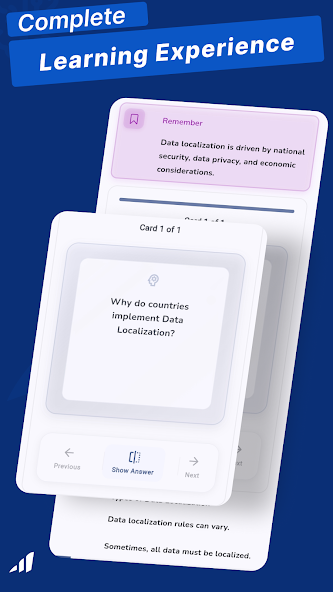
- Data Localization Requirements
- International Data Transfer Mechanisms
- Trade Agreements and Data Provisions
3 Human Rights Law and AI
- Right to Privacy
- Freedom of Expression
- Non-Discrimination Rights
4 Digital Sovereignty and AI
- Technological Self-Determination
- Strategic Autonomy Policies
- Indigenous Data Sovereignty
14 Future of AI Regulation 4 topics
1 Emerging AI Technologies and Legal Challenges
- Artificial General Intelligence Governance
- Neuromorphic Computing
- Quantum AI Legal Implications
2 Adaptive Regulatory Approaches
- Regulatory Sandboxes
- Agile Governance Models
- Anticipatory Regulation
3 Constitutional and Fundamental Rights Issues
- AI and Freedom of Speech
- Democratic Participation in the AI Era
- Intergenerational Justice Considerations
4 Balancing Innovation and Protection
- Precautionary vs. Permissionless Innovation
- International Regulatory Competition
- Public-Private Regulatory Partnerships
15 Professional Skills for AI Law 4 topics
1 Technical Literacy for Legal Professionals
- Understanding AI Technologies
- Data Analysis Fundamentals
- Algorithmic Assessment Skills
2 Interdisciplinary Collaboration
- Working with Technical Experts
- Translating Technical to Legal Requirements
- Ethics and Policy Considerations
3 AI Compliance Programs
- Designing AI Governance Frameworks
- Risk Assessment Methodologies
- Documentation and Compliance Evidence
4 Future Legal Practice in AI Law
- Career Paths in AI Law
- Continuing Education Requirements
- Emerging Specializations
Related Apps
Alternative Dispute Resolution
Bioethics Biotechnology Law

Climate Change Law
Comparative Constitutional Law

Consumer Protection Law

Contract Law

Corporate Governance Law

Corporate Law

Criminal Law

Cyber Crime Law

Data Privacy Law
Drafting Legal Documents
Ecommerce Digital Contract Law

Employment and Gig Economy Law
Environmental Law

Family Law
FinTech and Blockchain Law

Health Care Law

Immigration and Refugee Law

Intellectual Property Law

Intellectual Property in the Digital Age

International Human Rights Law
International Law

International Trade Law
Jurisprudence
Law
R. Energy Sustainability Law

Social Media Content Law
Tort Law
Explore More





































































































































































































































Artificial Intelligence Law
Get it on Google Play